Inspired to pursue “a helping profession”
Before Brittany August ever heard of The Blood Cancer Foundation of Michigan, she knew what it meant to support loved ones as they faced blood cancer. When Brittany was a senior in high school, her nine-year-old cousin Stephanie was diagnosed with leukemia. Brittany couldn’t have known it then, but that diagnosis — and everything that followed — would quietly guide her toward her life’s work.
Following her cancer diagnosis, Stephanie was treated at St. John Hospital in Michigan and also at an out-of-state hospital. Brittany recalls the drives to and from St. John to visit her cousin as well as the visits themselves. Though she couldn’t fully unpack it in her late teens, Brittany made an observation during those hospital visits that she’s carried with her for more than two decades.
“Our family is quite large — my dad is one of five siblings, so I have a lot of cousins — and we’re very close. I really remember that we often took over [my cousin’s] hospital room. She had a lot of support, a lot of visitors,” Brittany says. “On the other side of that, you noticed those patients and families that didn’t.”
Back then, Brittany didn’t think much of it beyond the comfort of being surrounded by family, friends, church members, classmates, and other community members.
Today, she realizes the reasons for the lack of visitors — or a smaller number of visitors — for other patients likely went beyond the size of someone’s family and support network. Patients’ families and other visitors were likely managing their loved ones’ cancer journeys in the ways they could, in addition to commitments like caring for other family members, especially children, and work.
During Brittany’s freshman year at the University of Michigan, Stephanie passed away. She was 11 years old. That moment and the significance of the loss impacted Brittany and her family in more ways than one, ultimately influencing the choices Brittany made about her education and career.
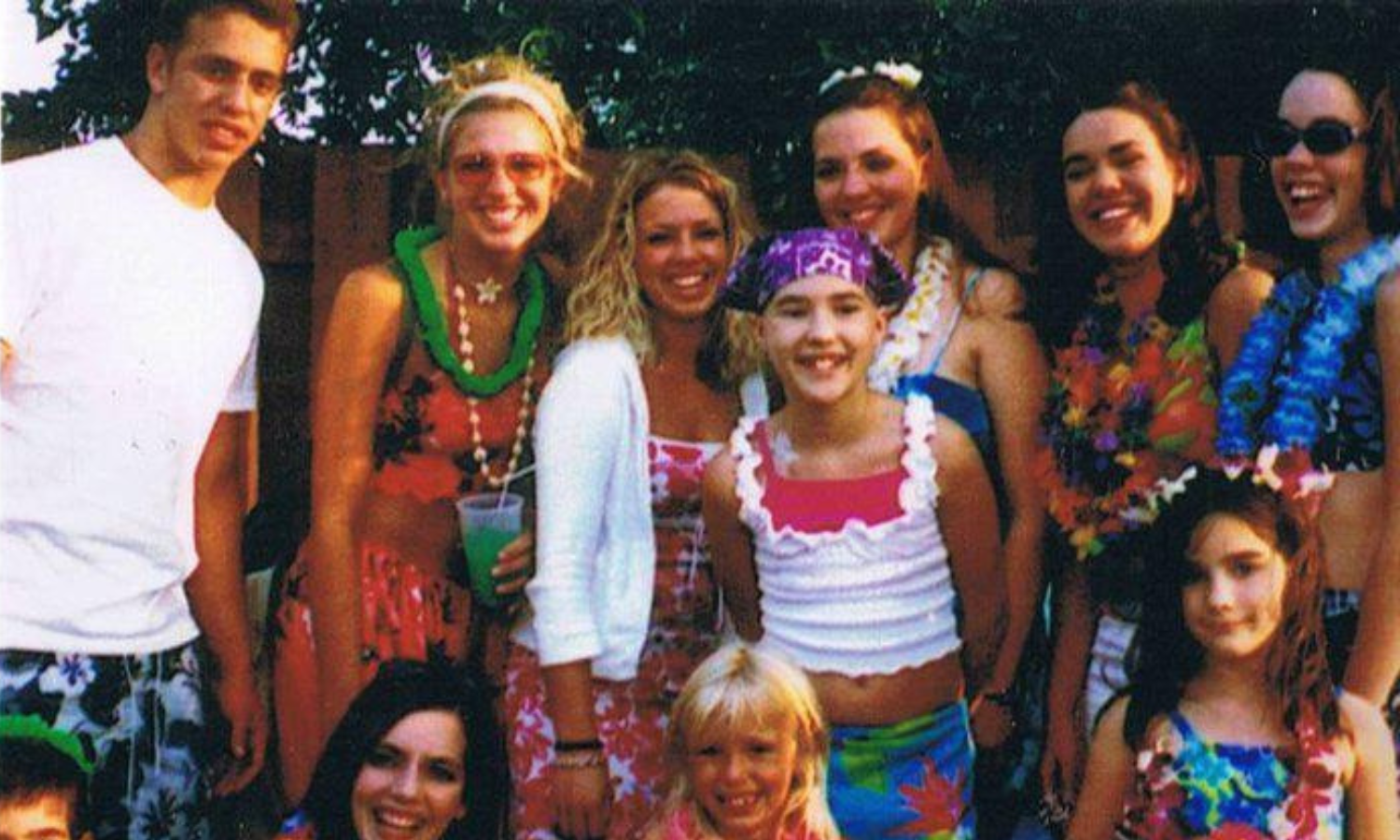
Stephanie’s experience with cancer set something in motion for Brittany. As a college freshman grappling with grief, Brittany found herself drawn toward what she calls “a helping profession.” For years, though, she wasn’t sure exactly what that meant in practice.
In Ann Arbor, Brittany sought out classes that required volunteer hours because she wanted to give back. “I read with kids at an elementary school, sat bedside with hospice patients, joined a dance marathon that raised money for Mott Children’s Hospital, and participated in Relay for Life with my sorority,” she says.
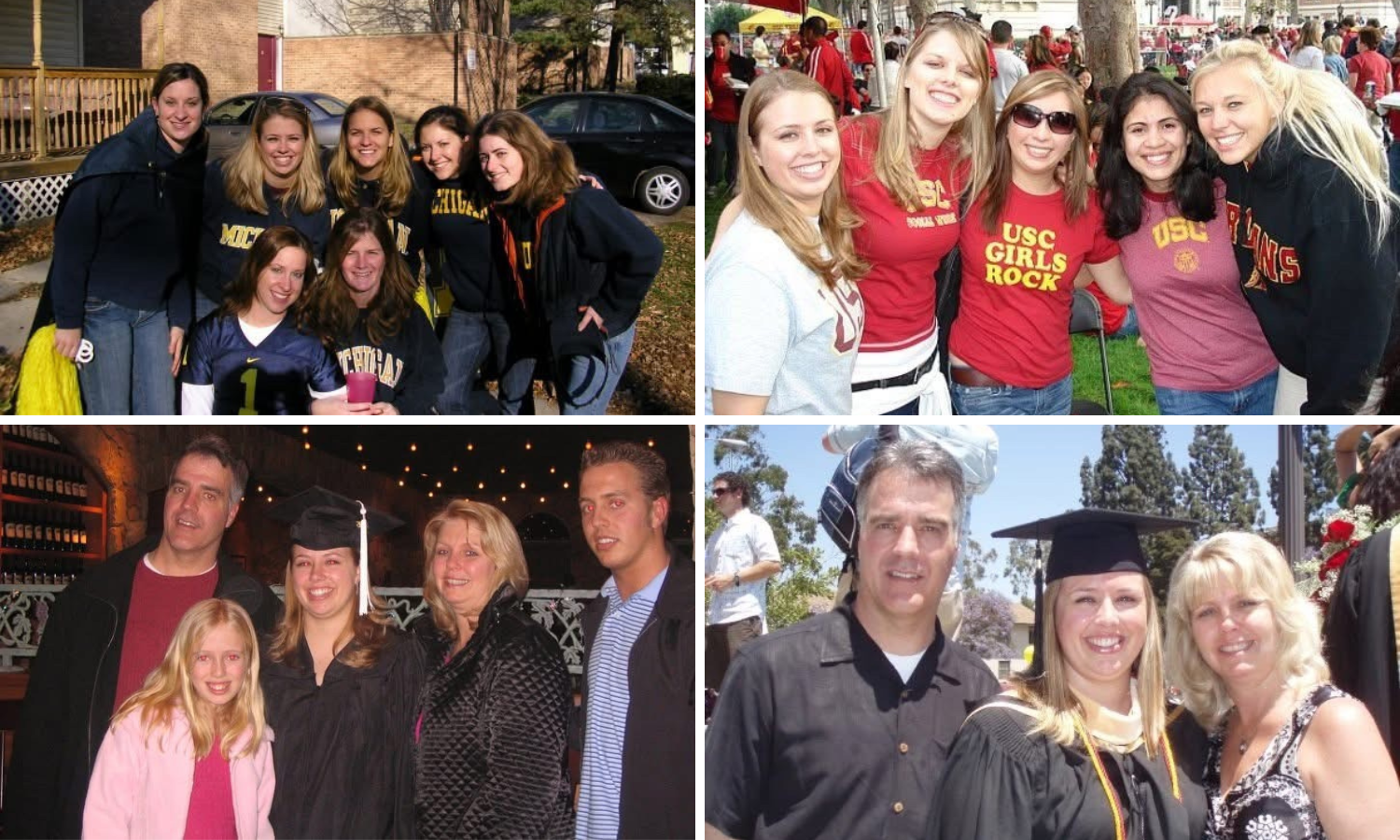
Brittany graduated from the University of Michigan with a bachelor’s degree in sociology and received her master’s degree in social work from the University of Southern California.
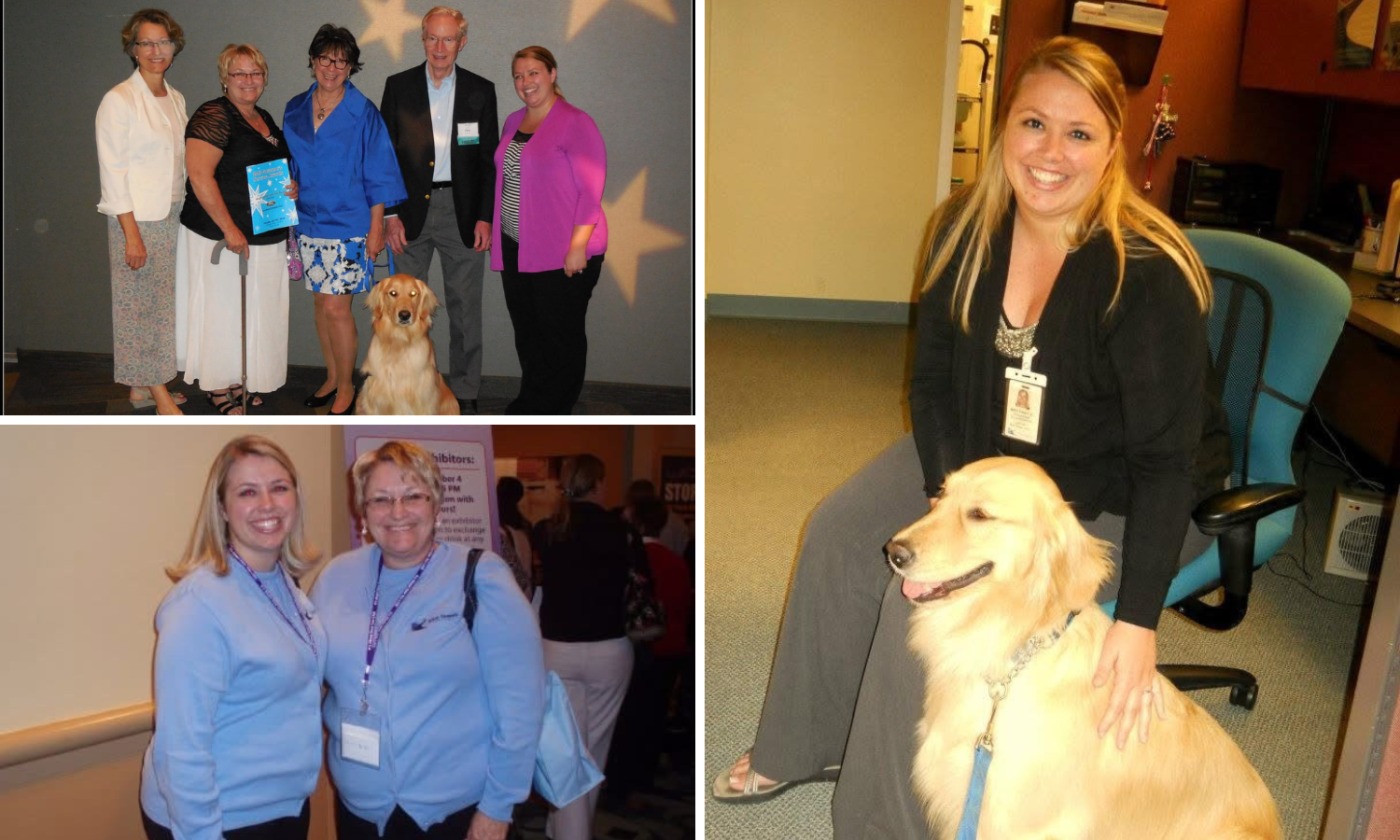
In 2008, she joined the team at Arbor Hospice in Michigan as Volunteer Coordinator. Over the next nearly 15 years with the nonprofit organization, Brittany recruited, trained, and supervised 180 volunteers. She collaborated with volunteers to provide caregiver relief for patients’ family members and companionship for patients who were actively dying.
“My time at Arbor Hospice showed me how important it is to look at each patient as a whole person and to support the whole family, not just the patient,” Brittany says. “As a member of the pediatric team, I learned that caregivers of pediatric patients are the experts on their own children. No two experiences are the same, and I keep that in mind with all new patients I meet. We start where the patient is, and they decide what their care plan looks like.”
In 2023, Brittany was looking to do something different professionally. “I’ve always felt attached to supporting all patients who are going through some kind of health journey,” Brittany says, “but feel particularly so with children and families with children.”
At that time, a former Arbor Hospice colleague working for The Blood Cancer Foundation of Michigan (BCFM) reached out to Brittany about an open Patient Support Specialist position at the organization.
“At Arbor Hospice, I was the go-between for patients and volunteers, so I didn’t have as much direct patient support experience,” Brittany says. “But I wanted to work more directly with patients and their families, so it felt like a good time for me to do more of the direct-facing patient support. I obviously also had a personal connection [through my cousin’s cancer journey] to the mission and the work of BCFM.”
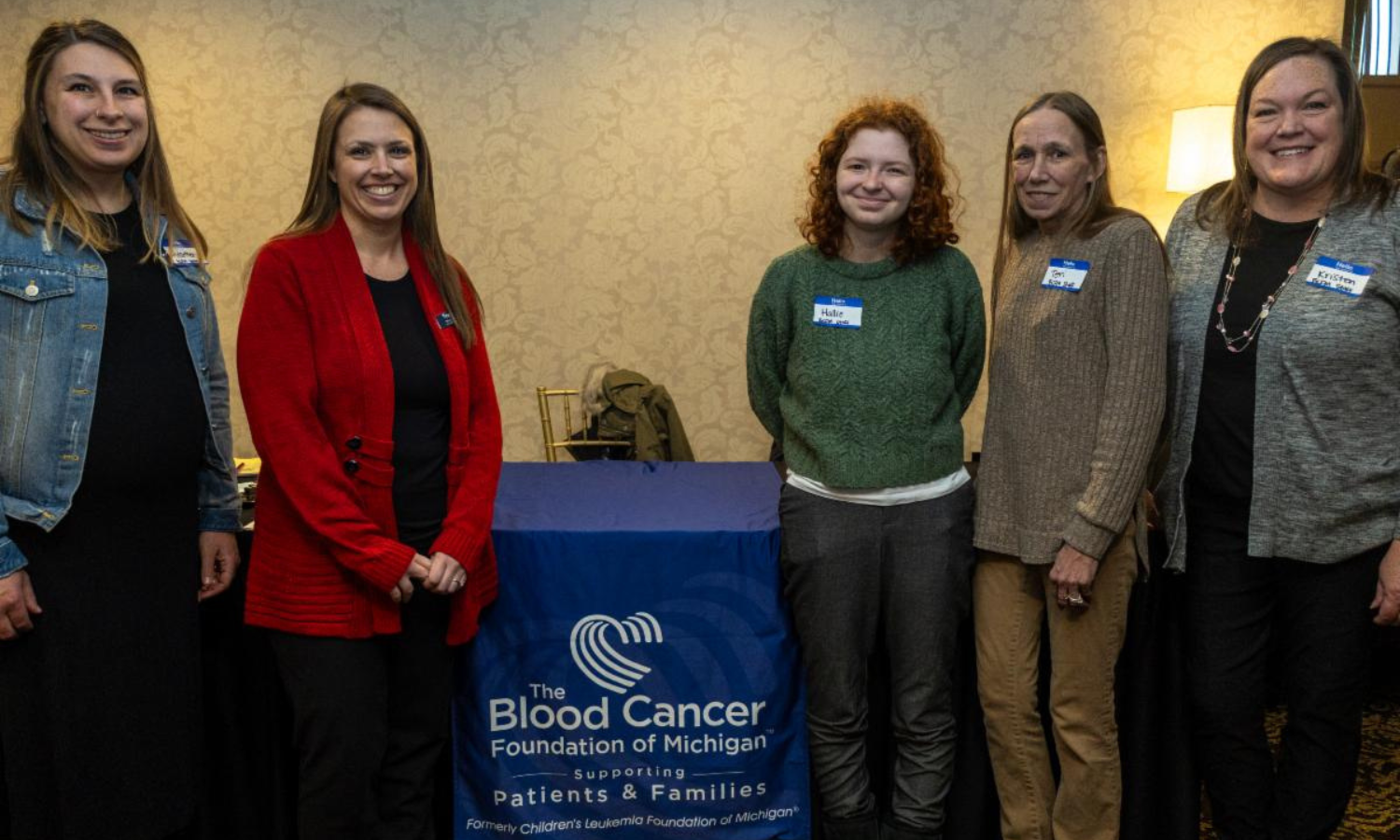
Brittany joined BCFM in April 2023 as a Patient Support Specialist. Her initial years with the organization were full of continually learning more about the different types of blood cancer and what treatment journeys can look like, based on the diagnosis and the individual. Brittany also committed herself to building relationships with patients and deeply understanding their unique needs.
“Connecting with my patients in person through our social support events solidified the importance of the support we provide,” Brittany recalls. “Hugging patients, sharing a meal with them, and watching their children participate in arts and crafts or sit on Santa’s lap reminded me why this work matters. Many patients say their loved ones don’t always understand what they are going through and that the chance to talk with someone who really gets it makes a world of difference.”
Two and a half years after starting with BCFM, in October 2025, Brittany was promoted to her current role as Director of Patient Support. Brittany’s day-to-day work at BCFM includes collaborating with the organization’s leadership on strategy and vision; leading the Patient Support team; and supporting patients and families on their journeys throughout and beyond blood cancer.
The aid, comfort, and relief that Brittany and the Patient Support team provide to patients and families begin with referrals and enrollment calls.
Hospital social workers or other members of a patient’s healthcare team often refer patients and families to BCFM, though plenty of patients also find the organization on their own. No matter who or where the referral comes from, the BCFM team follows up within 48 hours.
For Brittany and the Patient Support team, those first calls with patients, families, or caregivers are more than paperwork. They’re an opportunity to listen and understand.
“I really see those enrollment calls as a chance to listen and try to assess what their immediate needs are,” Brittany says. “What are they struggling with? Where are they in their [blood cancer] journey?”
Following the enrollment call, the Patient Support team sends follow-up communication summarizing resources and services. Sometimes, they connect patients and families with other cancer organizations, do the legwork of tracking down a local food bank, or find support for a patient’s children as they process their parent’s diagnosis.
Sometimes, BCFM’s support goes beyond the obvious. The Patient Support team tries to fill the lesser-known gaps — that are very much still gaps — for patients and their families.
“I really see our role, a lot of times, as taking some of that burden [to identify resources and services] off of our patients and their families,” Brittany says. “We can’t do the whole process for them, but if we can point them in the right direction of two or three other organizations that might be able to fill those needs that we [at BCFM] can’t fill, that helps move them in the right direction.”
Of course, where BCFM can fill the gaps — emotional, financial, and social — for those facing blood cancer in Michigan, the organization does.
Brittany and the Patient Support team oversee BCFM’s Reimbursement Program and the Special Needs Grant Program. They’re an ally for patients and families completing paperwork — from prescription and travel reimbursements to grant applications for car repairs, household bills, and other day-to-day expenses. When those costs become hard to manage, BCFM helps carry the load.
When Brittany began working for BCFM, she supported patients and families in Northern Michigan and the Upper Peninsula. The scope of what her patients and families — who often had to travel to Grand Rapids, Detroit, or Ann Arbor for medical care — were navigating left an impression.
“For those patients, the length of travel [to appointments and treatments] that they have to do and the amount of time they’re away from family, friends, and home is significant,” Brittany says. “With every conversation and story, it just cements in me that our patients and families are dealing with so much. Their lives have totally been uprooted by blood cancer.”
In what can be a challenging, tumultuous time, BCFM exists to provide emotional, financial, and social support to patients and families facing blood cancer in Michigan. Sometimes, a $50 reimbursement can be the difference in making it to an appointment or treatment. $125 can be the difference in a patient and their family paying their monthly utility bill. And $250 can be the difference in a patient covering the copay for the medication that month.
“Every time we’re able to provide this tangible support to patients and families, you can hear their relief,” Brittany says. “For some, it makes all the difference in being able to get to treatment or being able to stay overnight before their treatment, if they’re traveling from far away.”
The work isn’t without its weight. Brittany speaks candidly about the gap between what patients and families need and what any single organization, BCFM included, can provide.
“It feels like there are never enough resources,” she says, “whether that’s resources that BCFM has or whether that’s resources from a larger perspective in terms of other community organizations or what government programs and the healthcare systems can do.”
For patients already navigating long-term poverty or low income, a one-time gift only goes so far. “It’s not just about covering a DTE bill one time,” Brittany says. “If a patient is not able to work for a year or two [while facing blood cancer] and if our organization doesn’t have reliable, sustainable funding every month, our Patient Support team struggles with providing long-term support to that patient. We might know we helped them this month, but what happens next month?”
In this way, monthly giving matters a lot to Brittany and the entire BCFM team. Monthly gifts allow BCFM to provide ongoing, reliable support to patients and families facing blood cancer in Michigan.
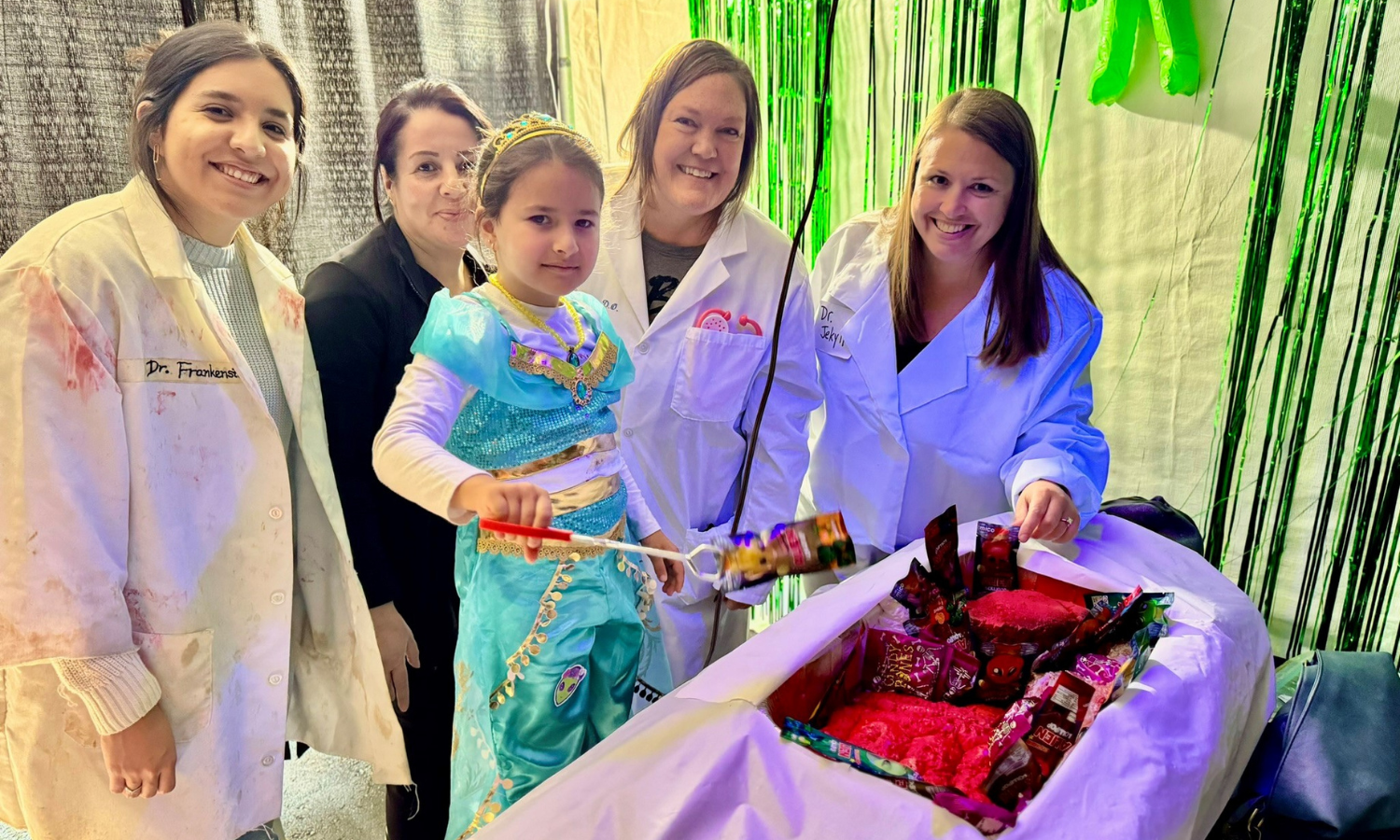
The relationships — the heart-to-heart, human-to-human connection — that Brittany and her team build with patients and families are where the real reward of this work lives. BCFM’s relationships are not one-time transactions. They are built over time and designed to endure, during treatment and beyond.
One of Brittany’s patients in Traverse City told her that hearing Brittany’s voice in a voicemail message was enough to brighten her day, even when that patient couldn’t always pick up the phone to talk. “She said, ‘The fact that you kept calling and that you kept checking in on me and that I knew you were there means everything,’” Brittany recalls.
The constant, continuous care and support that BCFM provides also creates space for something that extends beyond the organization’s team: community among patients and families.
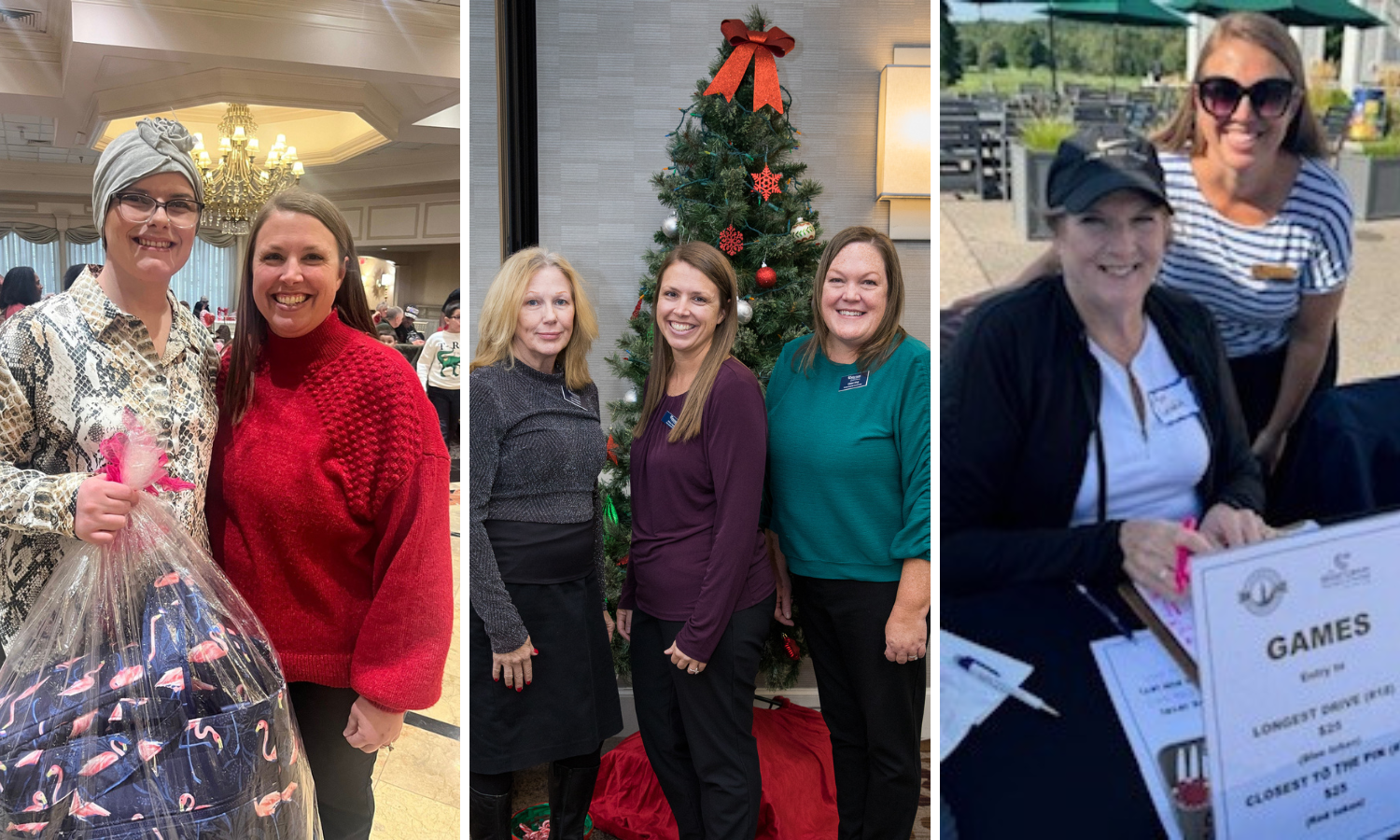
Through events and gatherings — Valentine’s Day parties, an awareness-building and fundraising walk in May, summer picnics, and holiday parties — BCFM coordinates opportunities for patients and families to receive social support through others who are traveling and have traveled a similar path. Brittany has watched patients who overcame their own diagnosis years earlier turn around and support those who are newly diagnosed.
“I think it’s a real testament that people continue to come to events 10 years later or come to a support group for seven or eight years,” she says. “Not only are they getting something out of it, but they also see the benefit and the value of being able to be that support and inspiration for newly diagnosed people.”
More than 20 years ago, Brittany took note of the community — and lack of community — that she saw in the halls outside her cousin Stephanie’s hospital rooms. Today, she and her BCFM team form a community around patients and families facing blood cancer in Michigan, both those with the support Stephanie and her family received and those who might not have that same level of support. She’s driven by making sure patients and families don’t have to face their blood cancer journeys alone.
“Every time we’re able to provide this tangible support to patients and families, you can hear their relief. For some, it makes all the difference in being able to get to treatment or being able to stay overnight before their treatment, if they’re traveling from far away.”